
How A Detailed World Map Can Make Learning Geography More Fun For Children
By Content Writers
Published on 2026-06-05 16:28:00
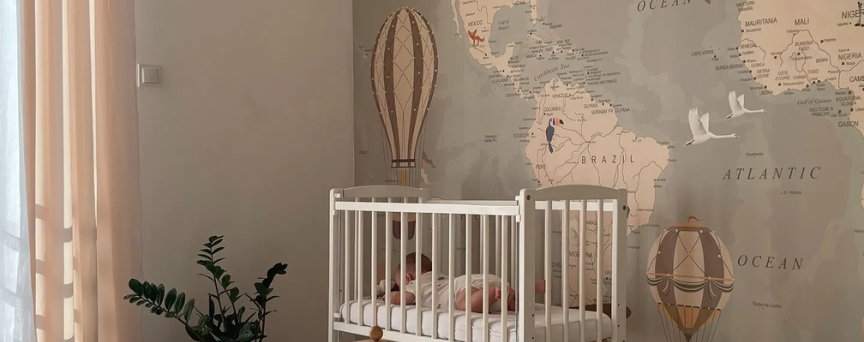
A child's room can do more than provide a place to sleep and play. The right wall design can quietly encourage curiosity, learning, and a lifelong interest in the world.
Kids learn best when information is integrated into their everyday environment. Geography can seem abstract in books but it’s far more tangible when you can see continents, oceans, animals and countries all day.
That is one reason educational wall decor has become increasingly popular among parents looking to create spaces that support learning naturally.
Why Children Learn Better Through Visual Exploration
Young children are naturally visual learners. They notice patterns, colors, shapes, and illustrations long before they understand complex concepts. A map displayed at eye level introduces geographical ideas in a way that feels approachable rather than academic.
Long before this, educational experts have known that regular visual exposure helps to reinforce memory. Children observe countries, oceans and continents on a frequent basis without having to be taught formally and over time this produces familiarity. Geography slowly becomes part of the routine of everyday life and not only during school hours.
Reddit and Quora often have discussions about how kids get intrigued about areas they see all the time. Many parents are surprised at the questions their children ask about countries, animals and cultures and a simple map in a bedroom is often to blame.
Another benefit comes from self directed discovery. Children enjoy pointing to locations, tracing routes, and imagining journeys. This sense of exploration creates a stronger emotional connection to learning than passive memorization.
What Makes A Detailed World Map Engaging For Young Minds
Not all maps will hold a child’s attention. Traditional atlases generally focus on knowledge while forgetting imagination. A child-friendly map works when it blends instructional value with storytelling.
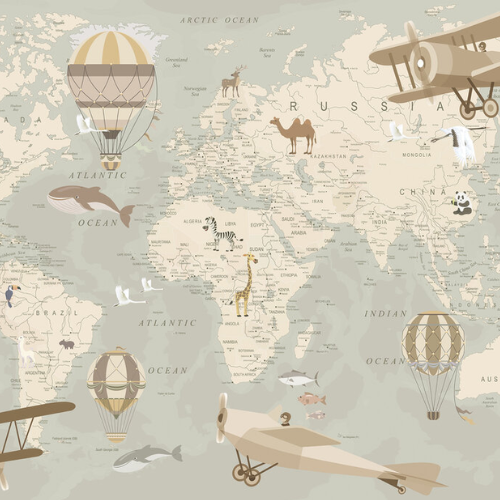
The Explorer Map wallpaper mural from Photowall does this with drawings that turn geography into an adventure. Rather than merely borders and labels, the design adds animals, aircraft, balloons and oceans to inspire children to explore beyond the geographical names.
Discovering Countries And Continents
A Detailed World Map gives children an opportunity to see how countries connect within larger continents. They begin recognizing that France belongs to Europe, Kenya belongs to Africa, and Australia exists within its own region of the globe.
Such findings are often spontaneous in play. A toddler may see a giraffe in Africa, or a whale traveling across an ocean, and inquire where these creatures reside. It is geography being tied to actual world experiences rather than separate information.
As time goes on, youngsters start to develop mental maps. They learn more about distance and relative placement. This knowledge can be a base to make understanding geography lectures in the future much easier.
Exploring Animals And Landmarks
The best instructional maps use geographical awareness and visual storytelling. The Explorer Map design features animals such as zebras, giraffes, camels, whales and deer in various locations.
This presents a valuable learning opportunity. Kids can begin to identify animals with geographic locations and begin to learn how ecosystems vary around the globe. They do not merely memorize facts, but rather associate locales with recognized imagery.
Add hot air balloons and vintage style airplanes for extra depth of creativity. These factors ignite the child's interest in travel, investigation and discovery of new locations and usually leads to inquiries and additional discussion.
How World Map And Capitals Displays Encourage Curiosity
A World Map and Capitals display is more than just knowing geography. It encourages youngsters to explore questions about language, culture, history and everyday living in other parts of the world.
Parents often find that map-based learning goes beyond geography. Questions change from ‘Where is this country?’ to ‘What do people eat there?’ or ‘What animals reside there?’. This interest offers a rich opportunity for wider study.
Children like looking for places they hear about from other sources. Suddenly a country they read about in a storybook, saw on a television program, or studied in a classroom lesson becomes something they can locate on their own.
The maps are displayed every day, so you will be able to see them often. It’s not like educational materials you use and put away. A wall mural is constantly there, always beckoning you to observe and discover, without the need for scheduled lessons.
Ways To Use An Entire Map Of The World As An Everyday Learning Tool
The most effective educational decor becomes part of family routines. A map mural offers countless opportunities for informal learning moments throughout the week.
An Entire Map Of The World across a wall is scaled so youngsters can investigate intricacies without being overwhelmed. Larger designs make countries, oceans and pictures simpler to spot and talk about.
Parents don’t have to be geography experts to inspire learning. Some of the best educational experiences come out of simple conversations.
Learning Activities Parents Can Try
A map mural can support many engaging activities:
-
Find the animal game where children match animals to continents
-
Point and discover challenges using country names
-
Story building exercises based on imaginary journeys
-
Vacation planning activities that locate destinations on the map
-
Weekly country exploration sessions focused on one new location
These activities require little preparation yet consistently encourage geographical thinking.
Conversation Starters For Family Learning
Some of the best learning moments happen unexpectedly. A child notices a whale, airplane, or balloon and suddenly asks a question that leads to a meaningful discussion.
Helpful prompts include:
-
Which country do you want to visit first?
-
Which animal on the map surprised you most?
-
How would you travel across this ocean?
-
What places would you explore during a world adventure?
Open ended questions encourage imagination and reinforce geographical awareness.
Frequently Asked Questions
Is A Detailed Map Of The World Suitable For Very Young Children?
Yes. Younger children often engage with illustrations, animals, and colors before understanding geographical concepts. Exposure during early years helps build familiarity over time.
Can Children Learn Geography From A Wall Mural?
A wall mural works best as a supplement to learning. Regular visual exposure encourages recognition, curiosity, and conversation about places around the world.
What Age Group Benefits Most From A World Map Wallpaper?
Children from preschool age through early teenage years can benefit. Different aspects of the map become relevant as their understanding develops.
Is A Detailed World Map Better Than A Standard Educational Poster?
Large wall murals generally provide greater visibility and interaction because they become part of the room rather than something occasionally viewed.
Can An Entire Map Of The World Fit In A Small Bedroom?
Yes. Many panoramic wallpaper designs are produced to custom measurements, allowing the map to be adapted for different wall sizes.
A child's surroundings shape countless small learning moments. When geography becomes part of everyday life, curiosity often follows naturally. Photowall’s Explorer Map wallpaper creates opportunities for exploration, questions, and discovery long after installation.
People who want to save before ordering should also check Photowall Promo Codes before they buy.
Follow UrbanSaasJourney for more home and decor ideas.
How Your Environment Changes Your Skin On A Genetic Level And What You Can Do
By Admin
Published on 2025-10-23 18:02:00

We explore how environmental triggers affect your skin's aging process and what you can actually do about it, from nutrient timing to topicals that go way beyond the surface.
You may already be layering on SPF, hydrating like a pro, and eating for your glow. But what if your skin is still silently aging at a cellular level from everyday environmental triggers you can't even see? This is where the science of epigenetic skincare comes in and it’s changing everything we know about how our skin functions, reacts, and regenerates.
What Is Epigenetic Skincare?
Every single day, your skin is receiving signals. Pollution in the air, stress from work, lack of sleep, diet choices, and even your screen exposure are sending constant information to your skin cells. These signals don't just influence surface-level issues like breakouts or dryness. They reach deep into your skin's epigenome, triggering which genes get activated and which ones stay quiet. Over time, this process builds a kind of genetic memory, influencing how fast or slow your skin renews, heals, and visibly ages. This means your skin isn’t just following a preset timeline. It’s adapting based on your environment and lifestyle.
Understanding Genetic Skin Change
If you’ve ever asked how to understand your skin on a deeper level, the answer lies in observing how it interacts with your surroundings. City air, heavy in pollutants, can activate inflammation pathways and slow barrier function. Constant stress elevates cortisol levels, weakening skin immunity and triggering pigmentation shifts. These changes don’t stem from DNA mutations but from epigenetic skin changes. That means the genes aren't changing, but the way they function is a powerful difference with equally powerful implications.
How Environmental Inputs Shape Skin
Air Pollution
Polluted air contains particulate matter, heavy metals, and toxins that settle into pores and oxidize skin cells. This contributes to collagen degradation and uneven skin tone. Long-term exposure accelerates dullness and weakens elasticity, which explains why urban dwellers may see visible aging signs sooner than expected.
Blue Light Exposure
Screen time doesn’t just affect your sleep. Blue light can penetrate deeply into the skin and impair mitochondrial function, slowing repair and contributing to premature aging. Prolonged exposure may disrupt the skin’s natural rhythm and compromise the barrier over time.
Emotional Stress
Cortisol imbalances due to stress influence the skin’s microbiome, impair its immune response, and reduce hydration levels. Persistent stress also delays healing and can lead to stubborn flare-ups of sensitivity and pigmentation.
Poor Sleep
During deep sleep, the skin undergoes renewal. Inconsistent rest disrupts this cycle and minimizes collagen and elastin production. Over time, this shows up as sagginess, fine lines, and decreased radiance.
Diet and Internal Factors
Highly processed foods, low hydration, and nutrient deficiencies amplify oxidative stress inside the skin. These internal factors can amplify the effects of environmental triggers.
Key Ingredients in Epigenetic Skincare
Niacinamide
Supports cellular communication and antioxidant defenses. Helps reduce inflammation and encourages more youthful gene expression. Consistent use can improve texture, refine pores, and boost the barrier function.
Resveratrol
This polyphenol supports longevity pathways and shields skin cells from oxidative stress triggered by environmental toxins. It also assists in maintaining skin tone and elasticity.
Peptides
Specific peptides stimulate collagen regeneration and influence gene expression related to skin firmness and texture. Over time, they can fortify the skin’s structure and make it more resilient to daily stress.
DNA-Repair Enzymes
These enzymes assist in correcting cellular damage from UV and pollution exposure. They help restore the skin’s ability to renew itself effectively.
Nutrition That Influences Skin Science
Sulforaphane
Found in broccoli sprouts, it activates detox pathways and reduces inflammatory signaling within cells. This supports a healthier baseline for skin resilience.
Omega-3 Fatty Acids
These support the lipid layer of skin, aiding in elasticity, hydration, and cellular communication. A consistent intake can improve the skin’s suppleness and calm irritation.
Curcumin
Derived from turmeric, curcumin modulates inflammatory gene expression and boosts antioxidant responses. It also supports the body’s natural defenses against environmental stress.
Polyphenols and Flavonoids
Colorful fruits and vegetables contain plant compounds that directly influence the body’s epigenetic responses. Regular consumption strengthens your skin’s internal defense system.
Lifestyle Practices With Epigenetic Impact
Grounding
Walking barefoot on natural surfaces may reduce markers of inflammation and stabilize electrical activity in skin cells. Incorporating this regularly adds an additional layer of recovery.
Quality Sleep
Supports natural growth hormone production and cellular repair. Make sleep a non-negotiable part of your skincare plan. Establishing a bedtime routine can reset your skin’s repair cycle.
Breathwork and Meditation
Reduce systemic stress and calm the nervous system, influencing inflammatory and pigmentation responses in the skin. Ten minutes a day can make a visible difference over weeks.
Environmental Audits
Look at your daily spaces: air purifiers at home, indoor plants to reduce VOCs, and limiting harsh lighting all support healthier skin at a cellular level.
Building an Epigenetic Skincare Routine
Start by minimizing external stressors:
- Use antioxidant-rich mists after time outside.
- Apply DNA-repair serums at night.
- Choose cleansers that protect the microbiome.
Customizing Based on Skin Signals
Observe your skin daily. If it feels inflamed, reach for green tea or chamomile extracts. If it looks dull or saggy, peptides and non-irritating retinoids can restore vibrancy. Logging these observations in a skincare journal can help refine your approach.
Incorporating Food Into Your Skin Strategy
Pair your topical routine with a nutrient-dense diet. A breakfast rich in berries and seeds can provide polyphenols and omega-3s to fortify your skin from within. Hydration throughout the day ensures nutrients are effectively delivered to cells.
Skincare and the environment are deeply intertwined. From the air you breathe to the sleep you get, every choice sends messages to your skin. You have the power to change that conversation by choosing active ingredients, nutrient-rich meals, and stress-reducing habits that improve cellular communication. Epigenetic skincare invites you to participate in your skin’s journey actively. It enhances the skin’s ability to thrive under modern pressures and empowers you to influence your genetic skin change through daily decisions.
For more deep dives into skincare, beauty science, and the habits that create real results, follow UrbanSaasJourney.
BLOGS








Related
How Gut Fungi Could Be Affecting Your Mood And Focus Without You Knowing It

Best Standing Desks for Health and Focus from UpliftDesk

Why Cozy Domesticity Is the Most Unexpected Lifestyle Power Move Right Now

Why Culturs Mag Is Gaining Attention in the World of Cultural Diversity