
The Secret Role of Interior Thermal Buffers in HVAC Load Reduction
By Admin
Published on 2025-10-25 12:46:00
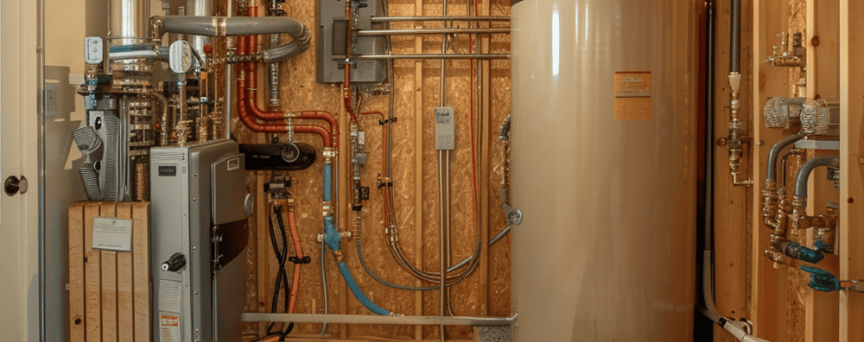
Did you know that interior buffer zones like airlock halls, sunlit buffer rooms, or intermediate spaces can shave off large spikes in HVAC load when doors open? This article reveals just that.
Interior thermal buffers are one of the most overlooked energy-saving strategies in residential design. While modern homeowners focus on insulation materials and efficient HVAC systems, few explore how spatial layout can significantly affect energy flow. Buffer zones like vestibules, sunrooms, enclosed porches, and transition areas serve as a protective shell within the building envelope. These quiet, passive architectural elements play a powerful role in reducing HVAC load, enhancing indoor comfort, and minimizing temperature shocks across seasons.
What Is an Interior Thermal Buffer?
An interior thermal buffer refers to any space within a home that separates the conditioned core from the external environment. These areas do not necessarily need to be heated or cooled. Instead, they act as an intermediary zone that delays or softens temperature changes, stabilizing the interior climate. Common examples include mudrooms, enclosed porches, sunspaces, and double-entry foyers. The design intent is simple, before heat or cold reaches your living spaces, it must pass through this moderated zone.
Understanding How Thermal Buffers Reduce HVAC Load
The science behind thermal buffers lies in the reduction of direct heat exchange. When a buffer space absorbs temperature extremes, it lowers the differential between the indoors and outdoors. This smaller temperature gradient translates to less energy required to condition air inside the home. Thermal buffers minimize infiltration of hot or cold air and reduce the frequency and intensity of HVAC cycling.
During winter, a sun-facing buffer room captures solar gain and traps warmth. In summer, that same space acts as a thermal shield, absorbing heat before it penetrates the cooled interior. When factored into HVAC load calculation, thermal buffers can reduce demand by a measurable margin, especially in climates with sharp temperature swings.
Types of Interior Thermal Buffers
- Vestibules: Small entry zones that trap outdoor air before it enters the main living space. Useful in both hot and cold climates.
- Sunspaces: Glazed rooms oriented to capture sunlight. They provide passive heating benefits while buffering the interior.
- Enclosed Porches: Transitional rooms that soften seasonal transitions and can be opened or closed based on climate.
- Buffer Halls: Interior corridors adjacent to external walls that absorb temperature fluctuations.
- Stairwell Chambers: When closed off properly, stairwells can act as vertical thermal buffers.
Design Guidelines for Maximum Efficiency
Several factors determine how effective a buffer zone will be in reducing HVAC load. Size, orientation, materials, and enclosure levels all play a part:
- Size: A buffer zone must be proportionate to the room it shields. Too small and it won’t provide adequate insulation, too large and it could compromise usable floor space.
- Orientation: South-facing zones (in northern hemisphere homes) receive more sunlight and are ideal for passive heat gain. North-facing zones work well as cooling buffers.
- Glazing: Use high-performance windows with low-e coatings to balance light transmission and heat insulation.
- Materials: Dense materials with thermal mass (brick, stone, concrete) absorb and release heat gradually, improving performance.
- Doors and Seals: Ensure airtight seals between the buffer and the main space to prevent energy leaks.
How to Retrofit Thermal Buffers into Existing Homes
Homeowners with existing properties can still introduce buffer zones without major renovations. Some strategies include:
- Glass enclosure of porches to create seasonal sunrooms
- Converting mudrooms or entryways with added insulation and internal doors
- Installing secondary doors inside front entrances to establish an airlock effect
- Using insulated curtains or sliding panels to separate staircases or hallways during extreme temperatures
These retrofits do not require full-scale remodeling but can significantly contribute to hvac load reduction, especially when combined with proper hvac load analysis and system zoning.
Modeling Energy Savings
In terms of data, the inclusion of thermal buffers can lead to HVAC energy reductions between 10% and 20%, depending on climate and house design. These figures are based on energy simulation models that factor in thermal delay, reduced air leakage, and minimized demand for rapid HVAC response.
For instance, a 2,000-square-foot home with a buffer-entry vestibule showed an annual energy cost reduction of approximately $280 in a temperate climate zone. In colder zones, savings increase further due to longer heating periods.
These figures become even more compelling when part of a full hvac load calculation, highlighting the long-term value of strategic space planning.
Case Studies
In Chicago, a homebuilder integrated enclosed sunrooms into all south-facing facades of a new suburban development. Over 18 months, internal hvac load analysis revealed a 15% reduction in heating costs during winter. In Arizona, a minimalist home with a double-door vestibule and shaded western buffer porch maintained internal temperatures with minimal hvac installation, relying mostly on cross-ventilation and thermal inertia.
These examples illustrate how design elements often dismissed as aesthetic can be deeply functional.
Limitations and Trade-Offs
Like any passive solution, interior thermal buffers are not universal fixes. In small homes, space constraints may limit feasibility. Without proper ventilation, buffer zones may develop humidity or stagnation issues. They also need strategic design to ensure they don’t overheat in summer or block desirable light.
Integration with smart sensors and hvac repair schedules is recommended, ensuring the HVAC system complements, rather than fights, the thermal buffer.
Tips for Homeowners
- Consult with a professional before modifying walls or external areas
- Include hvac load analysis in all renovation plans
- Use natural materials with high thermal mass in buffer zones
- Plan for dual-season functionality (heating and cooling)
- Consider adjustable shading and operable windows
- Monitor air quality and temperature differences with smart thermostats
Interior thermal buffers are one of the smartest design decisions a homeowner can make. Not only do they enhance energy efficiency and reduce HVAC strain, but they also increase comfort and spatial richness in your living environment. When planned properly, these zones work silently in the background, creating a climate-smart home that performs better year-round.
For more valuable content on home design and smart tech like this, follow UrbanSaasJourney.
Everyone Said Portable ACs Were a Scam Until This One for Under a Grand From ZeroBreeze
By Admin
Published on 2025-10-25 12:14:00

The ZeroBreeze Mark 2 is giving outdoor cooling a real upgrade. It’s compact and under a grand, but the performance is what surprises people most.
You don’t expect real cooling to come from something that looks like a toolbox. But that’s what’s making the ZeroBreeze Mark 2 so easy to underestimate and also why so many campers, van lifers, and off-grid explorers are suddenly paying attention. At first glance, it feels too small, too light, and honestly too cheap to work the way it claims to. Until it does.
The world of portable air conditioning has been full of false promises for years. Loud fans pretending to be ACs, overpriced coolers claiming to "chill" a room, and devices that turn a tent into a humid mess. So when something like the Zerobreeze Mark 2 drops into the mix, sleek, compact, fully functional, and under a grand, it is bound to get attention. But here’s where things get interesting, it’s not hype.
Designed for Movement Not Just Marketing
The first thing people notice is the size. This mini air conditioner weighs just 16.5 pounds. That’s less than your average camping cooler. It comes with a dual hose setup that manages intake and exhaust more efficiently than many bulkier models.
The tech inside isn’t basic either. Zerobreeze uses a micro dual-cylinder inverter compressor, a component typically reserved for high-end units, reengineered here for portability. That means quieter operation, smoother cooling, and less energy drain, all packed inside a body that easily fits in a van, tent, or small cabin.
It doesn’t need to be installed or mounted. Plug it in, connect the vent hoses, and that’s it. For off-grid setups, it’s compatible with a battery, car outlet, solar panel, or portable generator. In fact, it was made for that lifestyle. The zerobreeze ac doesn’t assume you’re near an outlet. It assumes you’re on the move.
The Cooling Surprise That Gets People Talking
Here’s where expectations are shattered. The Zerobreeze Mark 2 puts out 2300 BTU of cooling. That number might not mean much until you experience it firsthand, especially in a space under 40 square feet, which includes most tents, truck beds, or camper setups.
Drop it inside a rooftop tent or small trailer, and it starts pushing out air that feels real. We’re not talking lukewarm wind or misty fan vibes. The vent temperature has been recorded dropping from over 90°F to 60°F in under ten minutes in the right setup.
That means when you crawl into your sleeping bag after a day in the sun, you’re not just surviving but actually sleeping. Dry, cool air, no humidity. No mosquitoes sticking to sweat. And no noisy buzz to keep you awake.
Battery Life That Balances Convenience with Control
What makes or breaks a portable ac is how long it runs when disconnected. The Zerobreeze Mark 2 Plus version comes with a detachable battery that delivers between 3 to 5 hours of runtime, depending on which mode you select.
It’s not infinite, and no device in this size range will run all night on full blast without extra power sources. But for people who plan ahead, using solar during the day, or cycling between fan and cool modes, it becomes a seamless part of their outdoor setup.
There’s also flexibility built in. You can grab the Plus Extra model if you want a second battery for extended use. Or hook it into your existing 24V battery system. This kind of design makes it clear that the brand wasn’t guessing at what users need, it was actually field-tested by real people living outdoors.
Where This AC Makes the Most Sense
It’s not trying to cool your entire house. But in the right environment, the Mark 2 performs better than some larger systems that cost double. Think vans, small trailers, tents, cabins, boats, or even a shaded backyard workstation. It cools you, not the entire outdoors, and that’s the point.
The portable air conditioning market often overpromises, but this unit fits best where cooling is targeted, intentional, and personal. Whether it's providing relief during midday sun or helping pets stay safe in enclosed spaces, it brings value by focusing on function over flash.
Comfort Without the Compromise
One overlooked feature is how quiet it is. The zerobreeze ac runs at around 52 decibels, which is similar to a soft hum. That makes it especially useful for sleep setups or shared outdoor spaces where you don't want to compete with the sound of a machine.
Even during “rocket mode,” which is essentially a high-speed cooling burst, it doesn’t get overly loud. The compressor and fan feel tuned, not just built. There’s a rhythm to how this unit works that makes it feel less like an appliance and more like a reliable part of your gear.
And when it comes to durability, the Zerobreeze Mark 2 is IPX4 rated. It’s not made to sit in the rain, but a little moisture from morning dew or splashback won’t short it out. For something that travels off-road and gets tossed around, that kind of resistance adds confidence.
Setup Is as Simple as It Gets
Everything you need comes in the box. The hoses, drainage pipe, adapter, even a remote control. It doesn’t ask for a learning curve, and there’s no app dependency either.
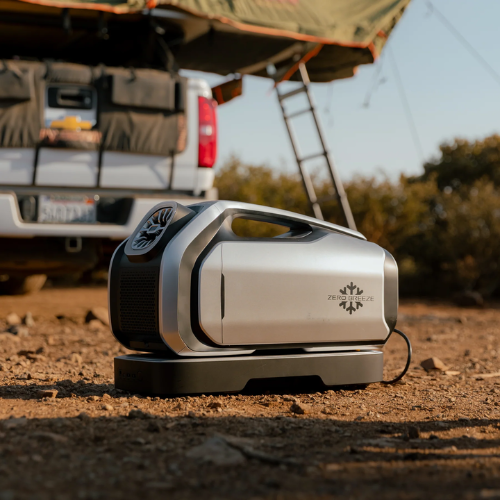
You can charge it from your wall outlet, a car outlet, or even a solar panel setup. For off-grid explorers who are used to monitoring every watt of consumption, the fact that it draws just 240W is a breath of fresh air.
No one wants to feel like they need to micromanage their power when they’re trying to unwind outdoors. That’s the real appeal here, it's low effort, low drain, and high impact.
Real Users Say It All
In forums, videos, and blogs across the van life and camping communities, users are showing how this unit works in real-world scenarios. One user recorded full battery use across a hot Arizona afternoon with an insulated van, noting that the cooling was “better than expected, no question.”
Others pointed out that while it won’t cool a whole RV, it’s perfect for sleeping quarters or temporary setups. It also scores points for not requiring any kind of messy water reservoir or ice refill system.
Most reviews acknowledge the same thing: it’s not magic but it works exactly as it says it will. And in this category, that alone is a breakthrough.
The Zerobreeze Mark 2 a true camping air conditioner, built to solve the exact problems outdoor people face. It cools quickly, travels easily, and doesn’t make you choose between power and convenience. When something this size delivers actual comfort in under 10 minutes without being tethered to the wall, it stops being a novelty and starts being essential gear. And at under $900 while on sale, it’s forcing people to rethink what portable ac should actually look and feel like.
There’s still plenty to consider, such as battery life, space size, and usage time, but for people who are tired of fans that pretend to be ACs, this unit delivers something solid and refreshing.
Follow UrbanSaasJourney for more content like this on smart living, home upgrades, and outdoor tech that actually works.
BLOGS







Related
What Happens When You Replace Your Floss with Flaus

This Laser Cutter Just Got a Massive Halloween Price Drop and It Can Do a Lot

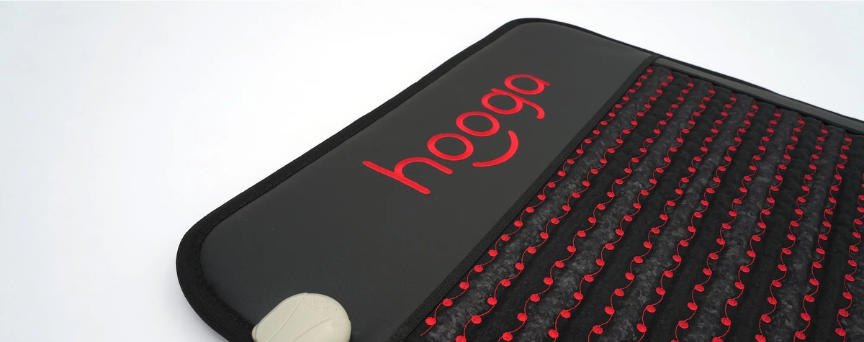
This Infrared PEMF Mat from HoogaHealth Is Quietly Powering Faster Recovery
Unlock the Best of Lookah with These Top-Rated Electric Dab Rigs