
Delicious Built Puff Bars You Will Want to Try First
By Admin
Published on 2026-03-16 13:19:00
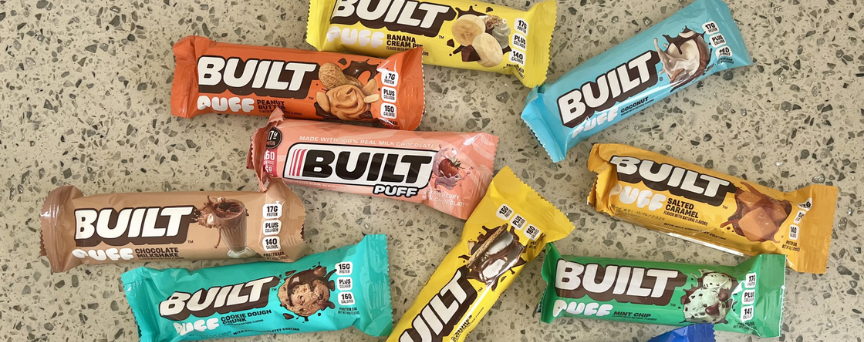
Some protein snacks do their job and disappear. Built Puff Bars tend to stick in your mind because the texture and flavors feel closer to dessert.
Built puff bars tend to come up when people are searching for something that doesn’t feel like a typical protein snack. The conversation usually centers around texture, flavor, and how close they get to a dessert experience while still fitting into daily nutrition goals.
This guide focuses on four standout options, with a closer look at what makes each one worth trying, along with insights into Built puff ingredients, Built puffs nutrition, and Built puff bar calories where it actually matters.
That curiosity usually starts with one simple question which flavors are actually worth it. Before narrowing it down, it helps to understand what stays consistent across the range and what you can expect once you open the wrapper.
4 Delicious Built Puff Bars You Will Want to Try First
Built Puff Bars are designed to stand out from standard protein snacks, mainly through their soft marshmallowy texture and dessert inspired flavors. According to Built, this line remains its most popular, largely because it blends sweetness with a noticeable protein content without the dense feel many bars have.
You will find a wide range of flavors available directly through the Built website and at select retailers, which makes them relatively easy to access compared to more niche options.
Across the lineup, Built puffs nutrition tends to stay within a similar range, with most bars offering a moderate calorie count and a consistent protein level, though exact Built puff bar calories and Built puff ingredients vary by flavor.
Built also highlights a one time taste guarantee for flavor related concerns, which adds a layer of reassurance when trying something new. The four options below reflect flavors that consistently draw attention for taste, texture, and overall experience once you actually try them.
Cookie Dough Chunk Puff
Cookie Dough Chunk Puff leans into that familiar dessert flavor people already know, but the texture is what usually catches attention first. The inside stays soft and airy, closer to a marshmallow than a dense bar, while the cookie dough pieces add a slightly chewy contrast that breaks up each bite.
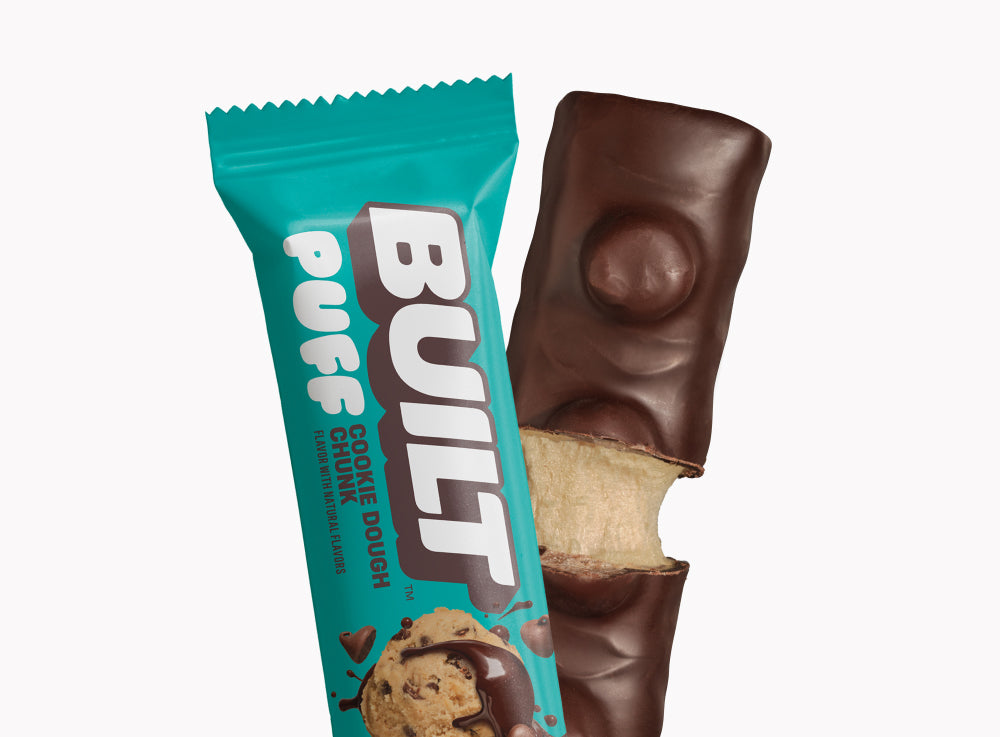
In terms of Built puffs nutrition, this option sits around 15 grams of protein with roughly 160 calories, which is where many Built puff bars tend to land. That balance is part of the appeal since it delivers sweetness without going overboard. The chocolate coating pulls everything together, especially when paired with the subtle saltiness from the cookie dough chunks.
Looking at Built puff ingredients, the mix includes a collagen protein blend with added dough pieces and chocolate elements, which explains both the texture and flavor depth. It does contain milk, soy, and wheat, so that is worth noting before picking it up.
Coconut Puff
Coconut Puff tends to divide attention in a different way. People who enjoy coconut flavors usually stick with it, while others approach it more cautiously. What stands out immediately is how light the center feels, almost airy enough to melt as you chew, followed by a smooth chocolate coating that keeps the flavor grounded.
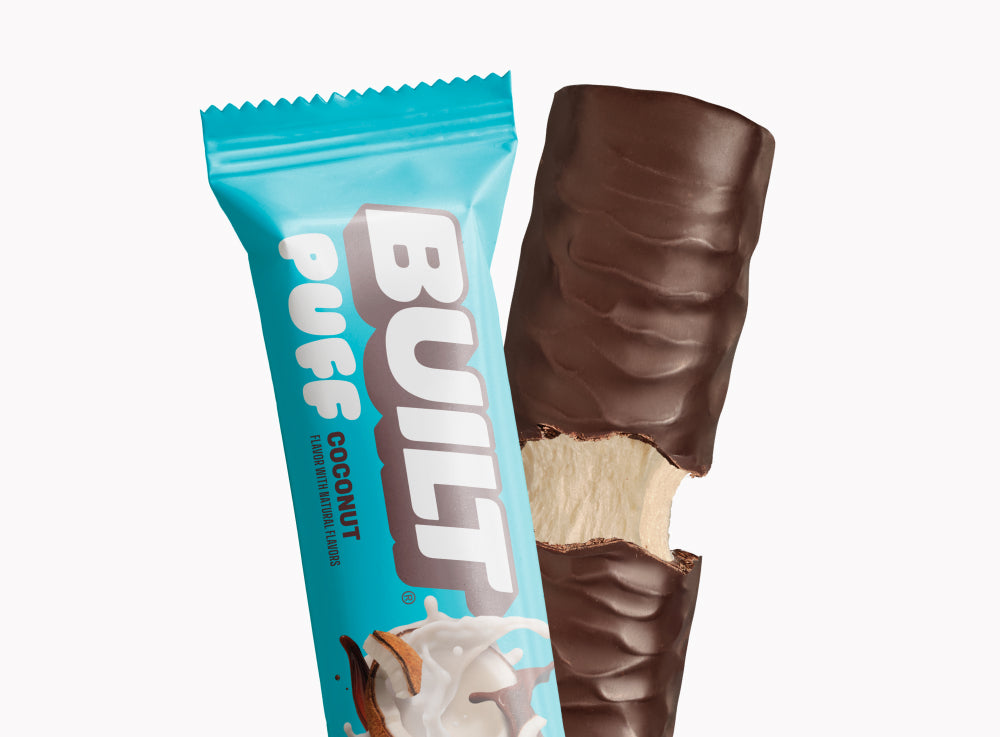
Compared to other Built puff bars, this one sits slightly lower in Built puff bar calories at around 140, while offering about 17 grams of protein. That combination makes it one of the more balanced choices if you want something that feels lighter without losing the core appeal of the Built bar puff experience.
The flavor itself leans more toward a mellow coconut rather than something overly sweet or artificial. It works best as a subtle option rather than an intense one. Built puff ingredients here are relatively straightforward compared to chunk based flavors, focusing more on the base protein blend and coating.
Mint Brownie Chunk Puff
Mint Brownie Chunk Puff brings a sharper contrast compared to the other flavors. The first thing you taste is the refreshing mint, and then the brownie pieces provide deeper chocolate undertones. This makes the taste more complex instead of just one strong flavour. That difference is what normally gets folks interested, especially those who don't like things that are too sweet.
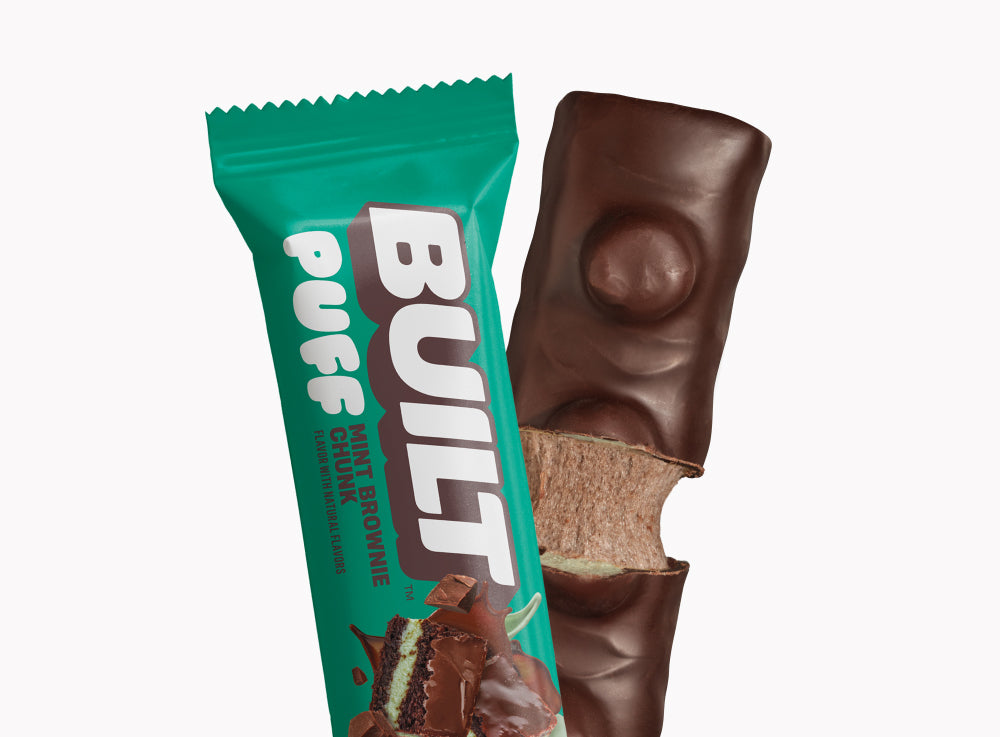
The texture follows the same marshmallow style center found across Built puff bars, but the added brownie pieces give it a slightly denser bite in places. It keeps things interesting instead of feeling too uniform. Built puffs nutrition for this one sits close to 15 grams of protein and around 160 calories, making it consistent with other chunk-based options.
Because it is often released as a limited flavor, availability can vary, which adds to the appeal. Built puff ingredients include the standard collagen protein base along with brownie dough elements and chocolate coating, contributing to both flavor and texture. It does contain milk, soy, and wheat, with possible traces of nuts.
Brownie Batter Puff
If you're not sure where to start, Brownie Batter Puff seems like the safest place to start. It has a deep chocolate flavour that is more like a soft brownie centre than anything too complicated. The texture stays light and fluffy, which keeps it from being too heavy like some chocolate protein snacks can be.
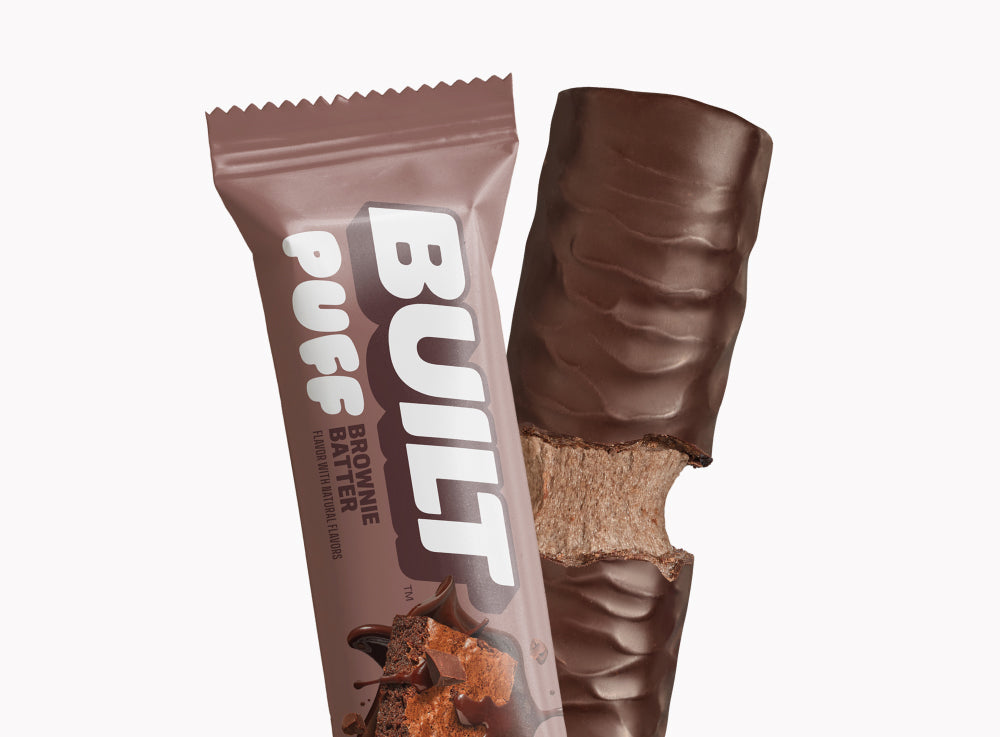
This option typically comes in around 17 grams of protein and close to 140 calories, placing it among the more balanced choices when looking at Built puff bar calories across the range. That makes it easier to fit into a routine without much thought.
Unlike chunk-based flavors, this one focuses on consistency from start to finish. Every bite delivers the same smooth chocolate experience, which is part of why it gets repeated attention. Built puff ingredients follow a simpler profile here, centered around the protein blend, cocoa elements, and coating. It contains milk and soy and may include traces of nuts depending on handling.
Frequently Asked Questions
Are Built Puff Bars Actually Different from Regular Protein Bars?
The biggest difference comes down to texture. A Built bar puff uses a soft marshmallow-style center instead of the dense or chewy base found in most protein bars, which changes how it feels to eat.
How Many Calories Are In Built Puff Bars?
Most options fall between 140 and 160 calories, though exact Built puff bar calories depend on flavor and added ingredients like cookie or brownie chunks.
What Kind of Protein Is Used In Built Puff Bars?
Built puff ingredients typically include a collagen protein blend combined with whey protein isolate, which contributes to both texture and protein content.
Do Built Puff Bars Taste Overly Sweet?
That depends on the flavor. Some like cookie dough or brownie lean sweeter, while others such as coconut or mint brownie, feel more balanced and less sugary.
Are Built Puff Bars Easy to Find In Stores?
They are available through the Built website and selected retailers, though certain flavors, especially limited releases, can be harder to find.
The right choice usually comes down to how you want the experience to feel. Some flavors lean indulgent, others stay lighter, but all of them revolve around that soft texture that sets Built Puff Bars apart. If you would like to enjoy discounts on your snacks, be sure to check out Built Promo Codes before you buy.
Follow UrbanSaasJourney for more insights on Food and Beverages.
What Is the Best Time to Take Electrolytes Everyone Can Follow
By admin
Published on 2025-07-11 17:43:00

If you are struggling with hydration, then this simple guide can help. Know the truth about when to take electrolytes, how much to drink, and what to avoid. You can also explore a great electrolyte mix you can trust.
When it comes to hydration, it may sound easy for many. However, many of us don't know that the body needs more than just water. Yes, sometimes the body needs deeper hydration that plain water alone can not give. If you want to increase hydration, you can include water-rich foods like fruits and vegetables, and drink other hydrating beverages such as milk, juices, herbal teas, and among them, electrolyte drinks are the best option.
These tiny minerals help your muscles move, keep your energy steady, and support your whole system from the inside out. Many people think electrolytes are only for athletes, but the truth is that anyone can benefit from them, especially if you sweat, feel tired easily, or spend long hours outdoors.
Although one thing that shouldn’t be neglected is:
When is the best time to take electrolytes?
Equally important:
How much do you really need, and what should you avoid?
To know the answers to these questions, here we have gathered the information to understand exactly how electrolytes work, why they matter, the right time to take them, and how to use them safely.
What Exactly Are Electrolytes? (And Why They Matter)
Electrolytes are minerals your body relies on to function properly. Some of the most important ones include:
- Sodium
- Potassium
- Magnesium
- Calcium
- Chloride
These minerals carry electrical signals through your body. They help your muscles contract, your nerves send messages, and your cells stay balanced. If your electrolytes are too low or too high, your body becomes unbalanced, and this should not be ignored.
Common Signs You Might Need More Electrolytes
Here are some common signs that may appear when you have a deficiency of electrolytes:
- You may feel fatigue or low energy, which can disrupt your focus.
- In many cases, people feel muscle cramps when electrolytes are too low.
- Some people may have headaches
- Dry mouth may also be a sign of low electrolytes
- Dizziness and a fast heartbeat also occur
- You may feel extreme thirst even when you drink a lot of water
- Many people feel drained after workouts
Even if you drink water, you may still feel off because your body needs minerals too, not just liquid.
Why Your Body Needs Electrolytes
This can not be wrong to say that a lot of people believe electrolytes are only for heavy workouts. In truth, that’s a myth. You lose electrolytes every day through:

Sweat
-
Urine
-
Breathing
-
Physical activity
-
Hot weather
-
Stress
-
Illness (especially vomiting or diarrhea)
Without enough electrolytes, your body struggles to stay balanced. When the balance is right, you’ll feel more energized, focused, and refreshed.
When Is the Best Time to Take Electrolytes?
There isn’t just one “perfect moment.” The best time depends on your lifestyle, activity level, and hydration habits. Here are the most helpful times to take electrolytes so your body gets the most from them.
Before a Workout
Taking electrolytes before exercising helps prepare your muscles. It can also improve endurance and prevent early fatigue. As it is mentioned above that electrolytes can also be taken to avoid muscle cramps. If you are going to the gym, running, hiking, or doing any active sport, drinking electrolytes 15–30 minutes before starting works best.
During Long or Intense Workouts
If you exercise for more than an hour or sweat a lot, your body loses minerals quickly. Taking electrolytes during exercise can help to maintain hydration and keep your energy steady. It can also prevent dizziness, so you can have better performance. A few sips during your workout can help you perform your best.
After Workouts
This is one of the most important times to take electrolytes. Your body needs to recover, and your muscles need minerals to repair.
If you feel very sweaty, shaky, or weak after exercising, you can take electrolytes. Drinking electrolytes can also help you heal muscle cramps and speed up recovery.
On Hot Days
Heat drains your body faster than you think. If you’re outside for long periods, walking, gardening, or doing outdoor activities, electrolytes help prevent dehydration and heat fatigue.
First Thing in the Morning
Many people wake up tired, thirsty, or foggy. It may be a sign that your body is low on electrolytes because you lose water overnight. A light electrolyte drink in the morning can help boost energy. It can help your body feel balanced if you start hydration early.
When You’re Sick
If you experience vomiting, sweating, or diarrhea, your body loses electrolytes quickly. Replenishing them helps you recover faster and prevents dehydration.
Anytime You Feel Dehydrated
You do NOT need to wait for a workout. If you feel thirsty, sluggish, crampy, and lightheaded, electrolytes can help restore balance faster than plain water. You will also get rid of dry mouth if you take electrolytes.
How Much Electrolytes Should You Take?
Your needs depend on your body and daily activity. Here are simple guidelines:
- 1 serving per day is usually enough for light activity or normal daily life.
- 1–2 servings per day for moderate activity (gym, jogging, short hikes).
- 2–3 servings per day for Intense activity or heavy sweating (sports, long hikes, hot weather).
- During illness, take small sips throughout the day — don’t chug it all at once.
What Happens If You Take Too Many Electrolytes?
More is NOT always better. Taking too much can throw your balance off the other way.
Electrolyte overdose can cause:
- Stomach discomfort
- Nausea
- Bloating
- Diarrhea
- Extreme thirst
- Headaches
- High sodium levels
You don’t need electrolytes all day long. Just enough to match what your body uses.
What You Should NOT Do When Taking Electrolytes
To stay safe and healthy, keep these simple rules in mind:
❌ Do not mix electrolytes with excessive caffeine.
Too much caffeine can dehydrate you further.
❌ Do not drink multiple servings at once.
Sip slowly to avoid upsetting your stomach.
❌ Do not rely on sugary sports drinks.
Many store-bought drinks are high in sugar and low in real minerals.
❌ Do not skip water completely.
Electrolytes support hydration — they do not replace water.
❌ Do not double your dose before or after workouts.
Instead, spread it throughout the day.
Choosing the Right Electrolyte Mix Matters
Not all electrolyte drinks are equal. Many have artificial colors, unnecessary sugar, or weak formulas. The best electrolyte mix should include:
- Quality minerals
- Good flavors
- Low sugar
- No useless fillers
- Good hydration support
- Easy-to-carry packaging
So choosing from the trusted brand is necessary.
Wild Society Electrolyte Drink Mix Is the Best Electrolyte Pick
After understanding how and when to take electrolytes, choosing a high-quality product becomes important. Wild Society’s Electrolyte Drink Mix is one of the best choices for easy, daily hydration.
It comes in refreshing flavors like dragonfruit, kiwi lemonade and citrus punch. Each serving contains essential minerals that support hydration. So if you are at the gym or working outdoors, this drink mix can help. It is also best suited to take you with while traveling.
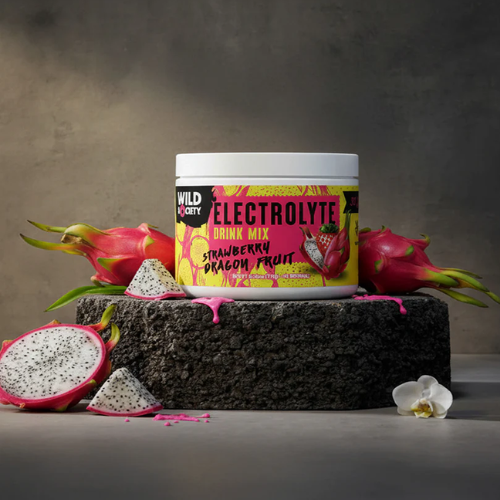
Their formula is designed to keep your body balanced without extra sugar or unnecessary additives. You can also take it to recover after a long day or just to stay fresh and energized. They make hydration actually taste good, which makes it easier to drink often.
With a 30-day satisfaction guarantee and subscription options, it’s an easy choice for anyone trying to stay healthy and hydrated.
Electrolytes may be small minerals, but they have a huge impact on how your body feels every day. Knowing when to take them and how much can help you stay energized, hydrated, and ready for anything. So if you are exercising, working, traveling, or enjoying the outdoors, electrolytes keep your body balanced and strong. If you want a trusted, great-tasting option, Wild Society’s Electrolyte Drink Mix is one of the best ways to stay hydrated without stress.
Wild Society has an affiliate program, and we are affiliated with them. As an affiliate partner, I’m excited to share this information with you. When you click the following links, you may get a discount on your favorite product. We may earn a small commission at no extra cost to you.
Stay tuned to UrbanSaasJourney to explore more benefits of taking electrolytes.
BLOGS








Related
Dog Friendly Co Honest Review for Dog Owners

Do Mushrooms Really Support a Healthy Lifestyle?

Unlock Wellness at Home with Pod Company Ice Baths and Saunas

Stay Hydrated and Balanced with Mixpotion Electrolytes