
How to Make Your Own Wallpaper Easily Using Photowall: A Step by Step Guide
By Content Writers
Published on 2026-06-03 17:19:00
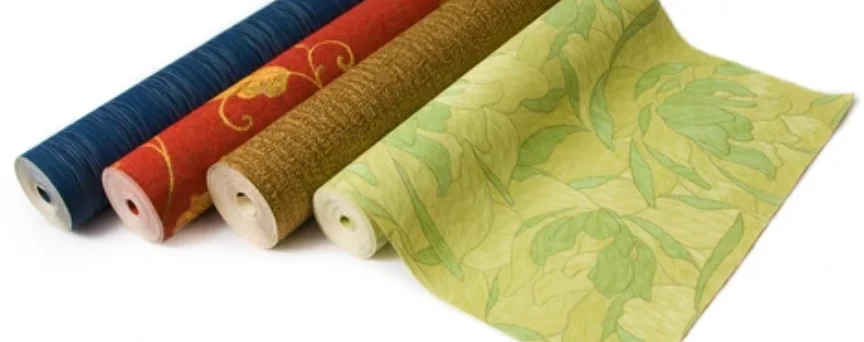
Ever wondered how to make your own wallpaper to make your space feel truly personal? Photowall simplifies the experience by letting you upload designs, customize dimensions, and choose from durable wallpaper materials. This guide walks you through every step.
Without the right wallpaper, even the most well-furnished living spaces feel lifeless. Traditional wallpapers aren’t always the right decor option: not only do they lack the creativity of a customized wallpaper design but oftentimes their quality is compromised.
That’s where custom wallpapers are gaining increasing popularity. No longer is decorating your space complicated, and thanks to online services like Photowall, making personalized wallpapers for your home or place of business is simple and effective. This guide will explain how to make your own wallpaper with the help of Photowall.
Why Make Your Own Wallpaper with Photowall?
Making your own gives you complete control over how your space looks and feels. Instead of settling for mass produced patterns, you design a wall that complements your decor. This allows you to showcase personal photographs or artwork. And allows you to add a unique touch to homes, offices, nurseries, cafés, retail stores, and more.
And using Photowall you don’t have to worry about having to work with complicated measurements and extensive planning. The platform handles the technical details by printing your wallpaper to your exact wall dimensions while offering premium material options and delivering numbered panels that are easy to install.
Here’s Why It’s Easy to Make Your Wallpaper Using Photowall
-
It’s a straightforward installation process with numbered panels making it easier to match each strip and reduce guesswork.
-
You can choose durable wallpaper materials that are designed to handle everyday use and don’t fade or scratch easily while being fire-rated and eco-friendly.
-
You get to create with confidence knowing your custom wallpaper is made in Sweden and backed by a 100% satisfaction guarantee, free shipping, and free returns.
How to Make Your Own Wallpaper with Photowall
Creating custom wallpaper may sound like a complex project, but Photowall simplifies the process into a few easy steps. From choosing your design to installing the finished panels, you can create a personalized wall covering that fits your space perfectly.
Step 1: Choose or Create Your Design
Select the design that matches your style whether it’s a family photo, artwork, landscape image, digital illustration or branded graphic for a business space. For the best results use the highest resolution image possible so your wallpaper looks sharp and detailed when printed.
Step 2: Upload Your Image
Upload your chosen image directly to Photowall using compatible file formats such as JPG, TIFF, EPS, or PDF. Files can be up to 1 GB in size and Photowall reviews image quality to help ensure your design is suitable for printing.
Step 3: Enter Your Wall Dimensions
Measure the height and width of your wall, then enter the dimensions into Photowall’s design tool to create a wallpaper that fits your space. The platform automatically adjusts the design to your measurements, eliminating the need for complicated roll calculations.

Step 4: Choose the Right Wallpaper Material
Select a material based on your needs, with options including Satin for a smooth everyday finish, Premium Matte for durable high-traffic areas, and Peel and Stick Matte for easy, renter-friendly makeovers. Each option is designed to deliver a high-quality finish while making installation more convenient.
Step 5: Preview and Place Your Order
Review your wallpaper layout, check your measurements, and make any final adjustments before adding your design to the cart. Once your order is confirmed, Photowall begins producing your custom wallpaper and prepares it for delivery.
Step 6: Install Your Wallpaper
When your wallpaper arrives, follow the numbered panels to easily match each strip and create a seamless finish. Depending on your chosen material, you can use a traditional paste-the-wall method or apply the peel-and-stick option for a simpler installation process.
FAQs
How Long Does Custom Wallpaper Take To Make?
Photowall typically produces and ships custom wallpaper within 1–3 days after your order is placed.
Can Wall Murals Wallpaper Be Customized To Fit My Wall?
Yes, wall murals can be printed to your exact wall dimensions for a seamless, tailored fit.
Can I Use Graffiti Art Wallpaper For A Feature Wall?
Yes, graffiti art wallpaper is a great option for creating bold statement walls in bedrooms, offices, and creative spaces.
Creating personalized walls is easier than ever, and knowing how to make your own wallpaper allows you to transform your favorite designs, photos, and artwork into a custom feature that fits your space. With Photowall handling the sizing, material options, and installation-friendly panels, you can create a wallpaper design that looks professional without the usual hassle. Explore Photowall’s custom wallpaper options and use Photowall discount codes to bring your vision to life while saving on your order.
For more home decor and personalization tips and tricks, stay tuned to UrbanSaasJourney.
How Your Environment Changes Your Skin On A Genetic Level And What You Can Do
By Admin
Published on 2025-10-23 18:02:00

We explore how environmental triggers affect your skin's aging process and what you can actually do about it, from nutrient timing to topicals that go way beyond the surface.
You may already be layering on SPF, hydrating like a pro, and eating for your glow. But what if your skin is still silently aging at a cellular level from everyday environmental triggers you can't even see? This is where the science of epigenetic skincare comes in and it’s changing everything we know about how our skin functions, reacts, and regenerates.
What Is Epigenetic Skincare?
Every single day, your skin is receiving signals. Pollution in the air, stress from work, lack of sleep, diet choices, and even your screen exposure are sending constant information to your skin cells. These signals don't just influence surface-level issues like breakouts or dryness. They reach deep into your skin's epigenome, triggering which genes get activated and which ones stay quiet. Over time, this process builds a kind of genetic memory, influencing how fast or slow your skin renews, heals, and visibly ages. This means your skin isn’t just following a preset timeline. It’s adapting based on your environment and lifestyle.
Understanding Genetic Skin Change
If you’ve ever asked how to understand your skin on a deeper level, the answer lies in observing how it interacts with your surroundings. City air, heavy in pollutants, can activate inflammation pathways and slow barrier function. Constant stress elevates cortisol levels, weakening skin immunity and triggering pigmentation shifts. These changes don’t stem from DNA mutations but from epigenetic skin changes. That means the genes aren't changing, but the way they function is a powerful difference with equally powerful implications.
How Environmental Inputs Shape Skin
Air Pollution
Polluted air contains particulate matter, heavy metals, and toxins that settle into pores and oxidize skin cells. This contributes to collagen degradation and uneven skin tone. Long-term exposure accelerates dullness and weakens elasticity, which explains why urban dwellers may see visible aging signs sooner than expected.
Blue Light Exposure
Screen time doesn’t just affect your sleep. Blue light can penetrate deeply into the skin and impair mitochondrial function, slowing repair and contributing to premature aging. Prolonged exposure may disrupt the skin’s natural rhythm and compromise the barrier over time.
Emotional Stress
Cortisol imbalances due to stress influence the skin’s microbiome, impair its immune response, and reduce hydration levels. Persistent stress also delays healing and can lead to stubborn flare-ups of sensitivity and pigmentation.
Poor Sleep
During deep sleep, the skin undergoes renewal. Inconsistent rest disrupts this cycle and minimizes collagen and elastin production. Over time, this shows up as sagginess, fine lines, and decreased radiance.
Diet and Internal Factors
Highly processed foods, low hydration, and nutrient deficiencies amplify oxidative stress inside the skin. These internal factors can amplify the effects of environmental triggers.
Key Ingredients in Epigenetic Skincare
Niacinamide
Supports cellular communication and antioxidant defenses. Helps reduce inflammation and encourages more youthful gene expression. Consistent use can improve texture, refine pores, and boost the barrier function.
Resveratrol
This polyphenol supports longevity pathways and shields skin cells from oxidative stress triggered by environmental toxins. It also assists in maintaining skin tone and elasticity.
Peptides
Specific peptides stimulate collagen regeneration and influence gene expression related to skin firmness and texture. Over time, they can fortify the skin’s structure and make it more resilient to daily stress.
DNA-Repair Enzymes
These enzymes assist in correcting cellular damage from UV and pollution exposure. They help restore the skin’s ability to renew itself effectively.
Nutrition That Influences Skin Science
Sulforaphane
Found in broccoli sprouts, it activates detox pathways and reduces inflammatory signaling within cells. This supports a healthier baseline for skin resilience.
Omega-3 Fatty Acids
These support the lipid layer of skin, aiding in elasticity, hydration, and cellular communication. A consistent intake can improve the skin’s suppleness and calm irritation.
Curcumin
Derived from turmeric, curcumin modulates inflammatory gene expression and boosts antioxidant responses. It also supports the body’s natural defenses against environmental stress.
Polyphenols and Flavonoids
Colorful fruits and vegetables contain plant compounds that directly influence the body’s epigenetic responses. Regular consumption strengthens your skin’s internal defense system.
Lifestyle Practices With Epigenetic Impact
Grounding
Walking barefoot on natural surfaces may reduce markers of inflammation and stabilize electrical activity in skin cells. Incorporating this regularly adds an additional layer of recovery.
Quality Sleep
Supports natural growth hormone production and cellular repair. Make sleep a non-negotiable part of your skincare plan. Establishing a bedtime routine can reset your skin’s repair cycle.
Breathwork and Meditation
Reduce systemic stress and calm the nervous system, influencing inflammatory and pigmentation responses in the skin. Ten minutes a day can make a visible difference over weeks.
Environmental Audits
Look at your daily spaces: air purifiers at home, indoor plants to reduce VOCs, and limiting harsh lighting all support healthier skin at a cellular level.
Building an Epigenetic Skincare Routine
Start by minimizing external stressors:
- Use antioxidant-rich mists after time outside.
- Apply DNA-repair serums at night.
- Choose cleansers that protect the microbiome.
Customizing Based on Skin Signals
Observe your skin daily. If it feels inflamed, reach for green tea or chamomile extracts. If it looks dull or saggy, peptides and non-irritating retinoids can restore vibrancy. Logging these observations in a skincare journal can help refine your approach.
Incorporating Food Into Your Skin Strategy
Pair your topical routine with a nutrient-dense diet. A breakfast rich in berries and seeds can provide polyphenols and omega-3s to fortify your skin from within. Hydration throughout the day ensures nutrients are effectively delivered to cells.
Skincare and the environment are deeply intertwined. From the air you breathe to the sleep you get, every choice sends messages to your skin. You have the power to change that conversation by choosing active ingredients, nutrient-rich meals, and stress-reducing habits that improve cellular communication. Epigenetic skincare invites you to participate in your skin’s journey actively. It enhances the skin’s ability to thrive under modern pressures and empowers you to influence your genetic skin change through daily decisions.
For more deep dives into skincare, beauty science, and the habits that create real results, follow UrbanSaasJourney.







Related
How Gut Fungi Could Be Affecting Your Mood And Focus Without You Knowing It

Best Standing Desks for Health and Focus from UpliftDesk

Why Cozy Domesticity Is the Most Unexpected Lifestyle Power Move Right Now

Why Culturs Mag Is Gaining Attention in the World of Cultural Diversity